All posts
The Jiajiayue Playbook: How to Grow Profits When Sales Dip
While retailers worldwide face the dual pressures of slowing growth and shrinking margins, a strategy emerging from China offers actionable insights. This analysis delves into how Jiajiayue, a major supermarket chain, achieved a 7.8% increase in net profit in the first half of 2025, even as its total revenue saw a slight decline. The case reveals a focused strategy on store network rationalization, omnichannel integration, and supply chain mastery—core challenges for retailers everywhere. For global executives navigating similar market headwinds, Jiajiayue’s playbook provides a clear, practical model for prioritizing profitability and operational resilience over mere top-line expansion.
A key driver behind Jiajiayue's improved performance is its deliberate store strategy of "advancing and retreating." In the first half of 2025, the company made 29 new store openings while concurrently shutting down underperforming locations. This pruning and planting brought its total store count to 1,084.
The strategy goes beyond mere numbers. Jiajiayue has completed comprehensive transformations of 30 existing stores, focusing on enhancing the shopping environment, refreshing product assortments, upgrading customer experiences, and improving service. These revitalized stores have reported stronger service capabilities, higher operational efficiency, and measurable growth in both customer traffic and sales.
Furthermore, the company is deeply integrating its physical and digital channels. Nearly all its supermarkets now offer instant retail services, creating a seamless "offline experience + online convenience" model. This omnichannel approach is proving vital for attracting younger consumers and increasing purchase frequency. In H1 2025, online sales surged by 23% to 630 million yuan, with order volume growing by 26%, all while maintaining healthy profitability.
At the heart of its store transformation is a rigorous revamp of product offerings. The principle is clear: aggressively eliminate slow-moving goods and introduce high-demand new items, while significantly boosting its own private label products.
The scope of this clearance is substantial. For example, at the renovated Jinan Shuyuan Plaza store, over 6,000 underperforming items were removed, and more than 2,200 new products were brought in. The new arrivals include trending "internet-famous" snacks and healthier prepared meals, making the overall assortment more dynamic and attractive.
The company is also doubling down on its strengths by adding specialized services, particularly in fresh foods. Beyond direct sourcing from production origins, upgraded stores now feature dedicated zones like "Precision Meat & Poultry Cutting" "Live Fish Cleaning" and "Imported Salmon Ice Counters" They are also expanding "open-kitchen" style in-store productions, such as deli workshops and bakeries, which enhance the sensory, experiential atmosphere.
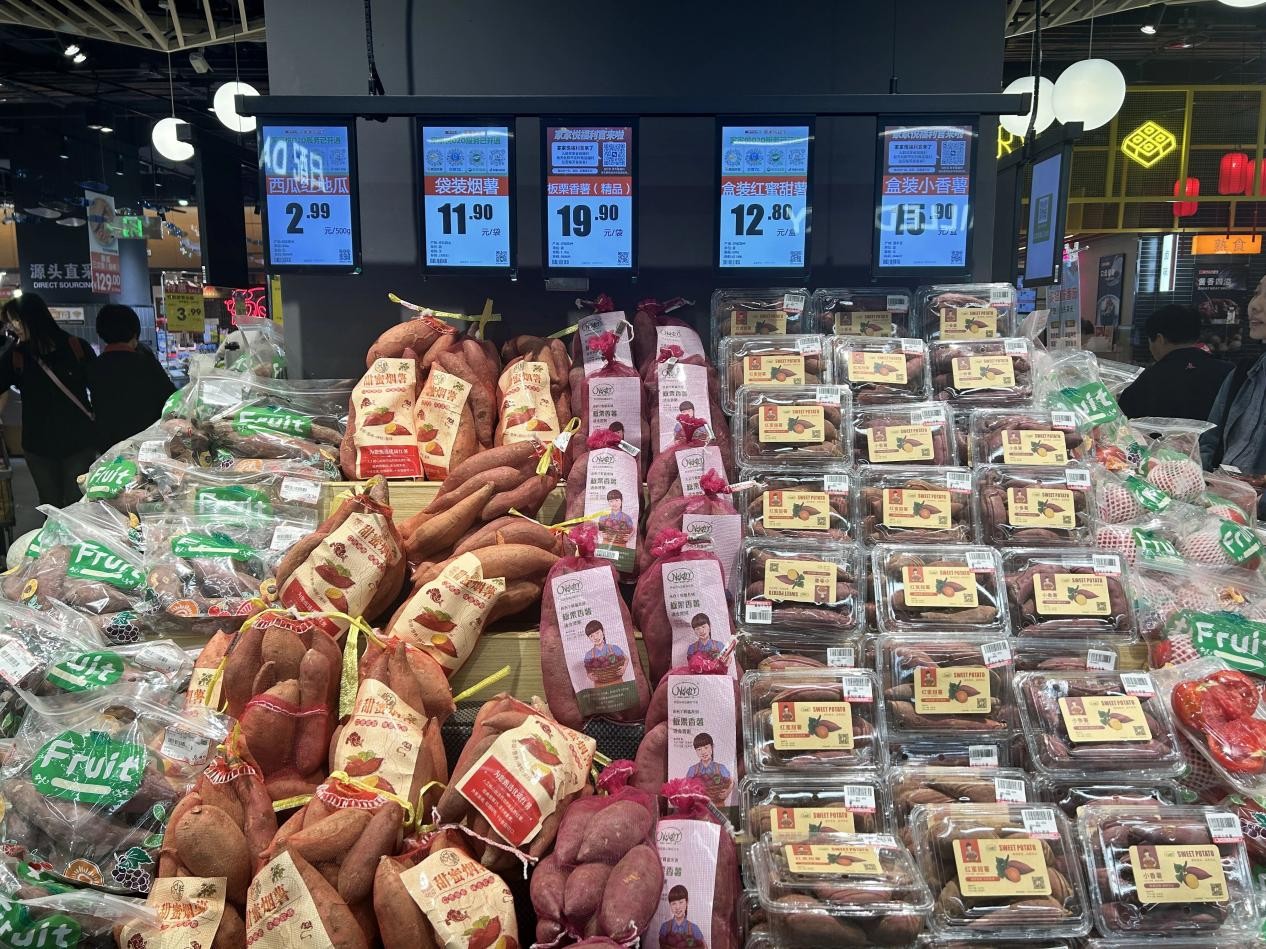
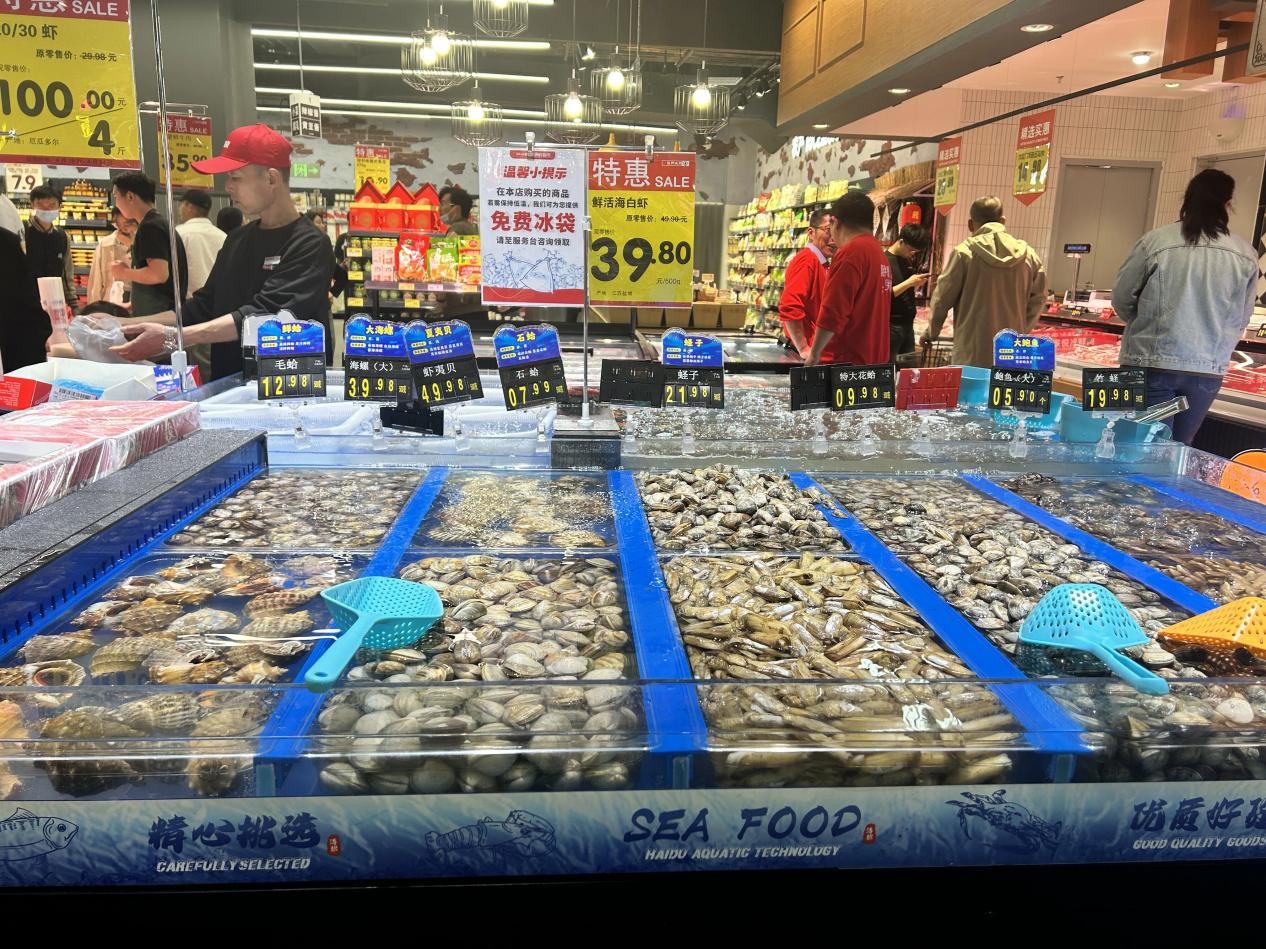
In developing its own brands, Jiajiayue has shifted from competing on low cost to emphasizing differentiation, quality, and added value.
By strengthening product development at the source — through co-development with manufacturers and in-house R&D—the company has increased its private label and exclusive product share from 13% to 15%. This not only boosts margins but also aligns products with consumer needs early in the process, deepening customer loyalty.
Rather than building factories for every category, Jiajiayue partners selectively with premium suppliers. For example, in the high-frequency fresh produce segment, it collaborated with Chunxue Food Group to launch the "Jia Yue YouYang" antibiotic-free chicken line, ensuring both high standards and market appeal.
Supporting these front-end improvements is a robust and optimized supply chain system built on "direct procurement, direct supply from bases, and centralized distribution." The company operates several modern logistics parks that integrate storage, cold-chain, and fresh-food processing.
Through intelligent coordination between its central and regional warehouses, Jiajiayue has achieved dynamic synergy in procurement, ordering, and store fulfillment. This efficiency gain directly impacts profitability: in the first half of 2025, logistics costs fell by 6.16% year-on-year. Simultaneously, product fulfillment rates to stores rose by 6%, and on-time delivery rates improved by 5%, significantly boosting overall store operational efficiency.
Taking the bakery section as an example, Jiajiayue has rolled out in-store bakeries in nearly 100 supermarkets, making it a key driver for foot traffic and sales. The "front shop, back kitchen" format allows on-site production of popular items like Musang King durian mille-feuille and Swiss rolls.